Atlanta Hydroseeding
Metro Atlanta · Since 2009

Bare Ground Doesn't Have to Stay That Way

When your yard is bare, your slope is washing out, or your jobsite needs to close out fast, you don't need a long landscaping project. You need a crew that shows up, sprays the seed, and gets it growing in Georgia clay.

Atlanta Hydroseeding has been a family-owned name in lawn and erosion-control work since 2009. We work fast, we work local, and we back the seed we put down with a 30-day germination guarantee.

Same-week scheduling Licensed & insured Georgia clay seed blend
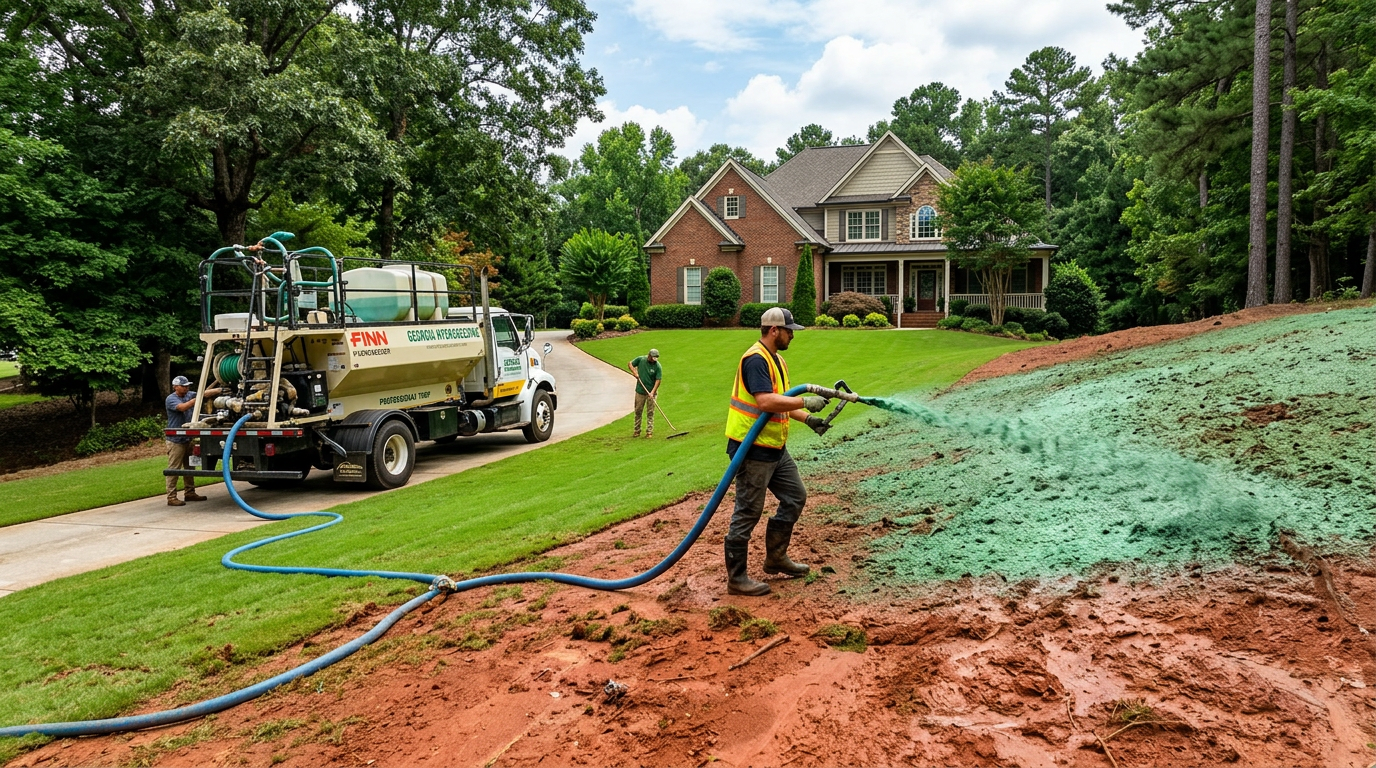
Hydroseeding crew applying seed mixture to bare soil on a metro Atlanta lawn
Same-week scheduling
Licensed & insured crews
30-day germination guarantee
Local Conditions

Georgia Clay Fights Back Against Grass

Metro Atlanta soil isn't like the sandy or loamy dirt you see in national lawn-care ads. Georgia clay is dense, it holds water on the surface, and it dries into a hard crust that seed struggles to break through. That's why so many DIY seeding jobs end up thin, patchy, or washed away in the first hard rain.

Construction sites and public land face a version of the same problem. Grading strips away topsoil, leaving exposed clay that erodes fast on any kind of slope. Without the right treatment, that runoff carries sediment into storm drains, ditches, and neighboring properties.

We've worked this soil since 2009. We know where it holds water, where it needs amendment, and how to get seed to actually take instead of washing off before it roots.

Our Approach

A Seed Blend Built for This Dirt

We didn't start with a generic seed mix and hope it worked here. Our hydroseeding slurry is formulated specifically for Georgia clay conditions, so it gets the moisture retention, root anchoring, and nutrient contact this soil needs.

Clay-Formulated Blend

Seed, mulch, fertilizer, and tackifier mixed to match Fulton, DeKalb, Cobb, and Gwinnett soil.

Field-Ready Crews

Licensed and insured teams who know how this clay behaves before, during, and after a rain.

Same-Week Scheduling

We move fast because bare soil and open slopes don't wait for a slow contractor calendar.

Homeowners

A bare yard is a mud problem the next time it rains. Getting seed down fast limits tracked-in dirt and washed-out beds.

Contractors

A jobsite waiting on restoration is a jobsite that can't close out. Slow scheduling holds up your whole project timeline.

Municipal crews

Disturbed public land left exposed becomes a repeat maintenance call. Fast stabilization heads that off.

Why It Matters

Every Week Bare Soil Sits Is a Week It Can Wash Away

Bare or freshly graded ground is at its most vulnerable in the first few weeks. That's when erosion, weed takeover, and mud tracking cause the most damage — and the most complaints.

That's why we built our scheduling around getting to your site the same week you call, whenever the job allows it. Less time exposed means less risk, and it means you're looking at a green, stable result sooner instead of staring at dirt for a month.

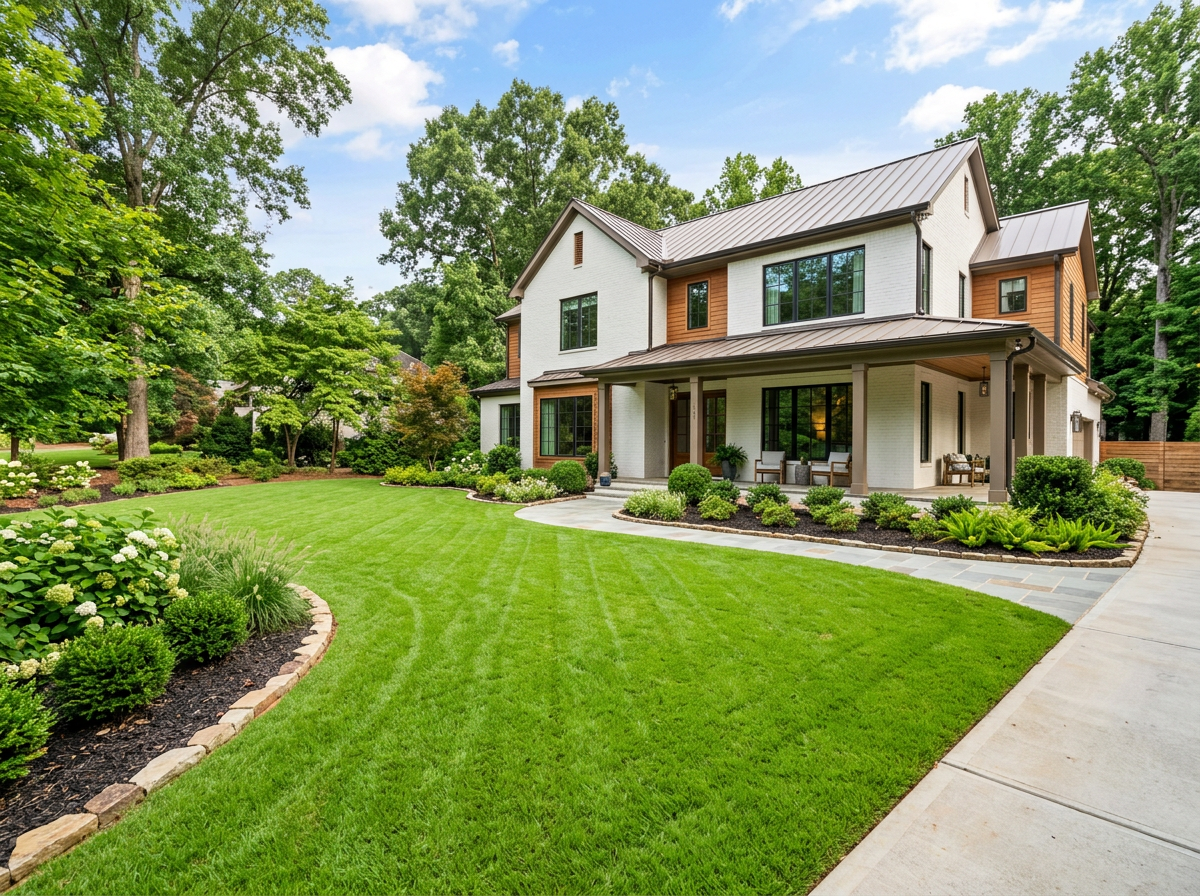
Established green residential lawn in metro Atlanta grown from hydroseeding
For Homeowners

Your Lawn, Covered in Weeks, Not Seasons

Residential hydroseeding is our core service, and for good reason: it's the fastest way to turn bare patches, torn-up yards, or new construction dirt into a lawn that's actually growing. We spray a slurry of seed, mulch, and fertilizer that clings to the ground instead of blowing or washing off.

Because the blend is formulated for Georgia clay, it holds moisture where grass seed needs it most — right at the surface, in the first inch of soil. That's the difference between a lawn that takes and one that never really gets going.

For Contractors

Keep Exposed Soil From Becoming a Compliance Problem

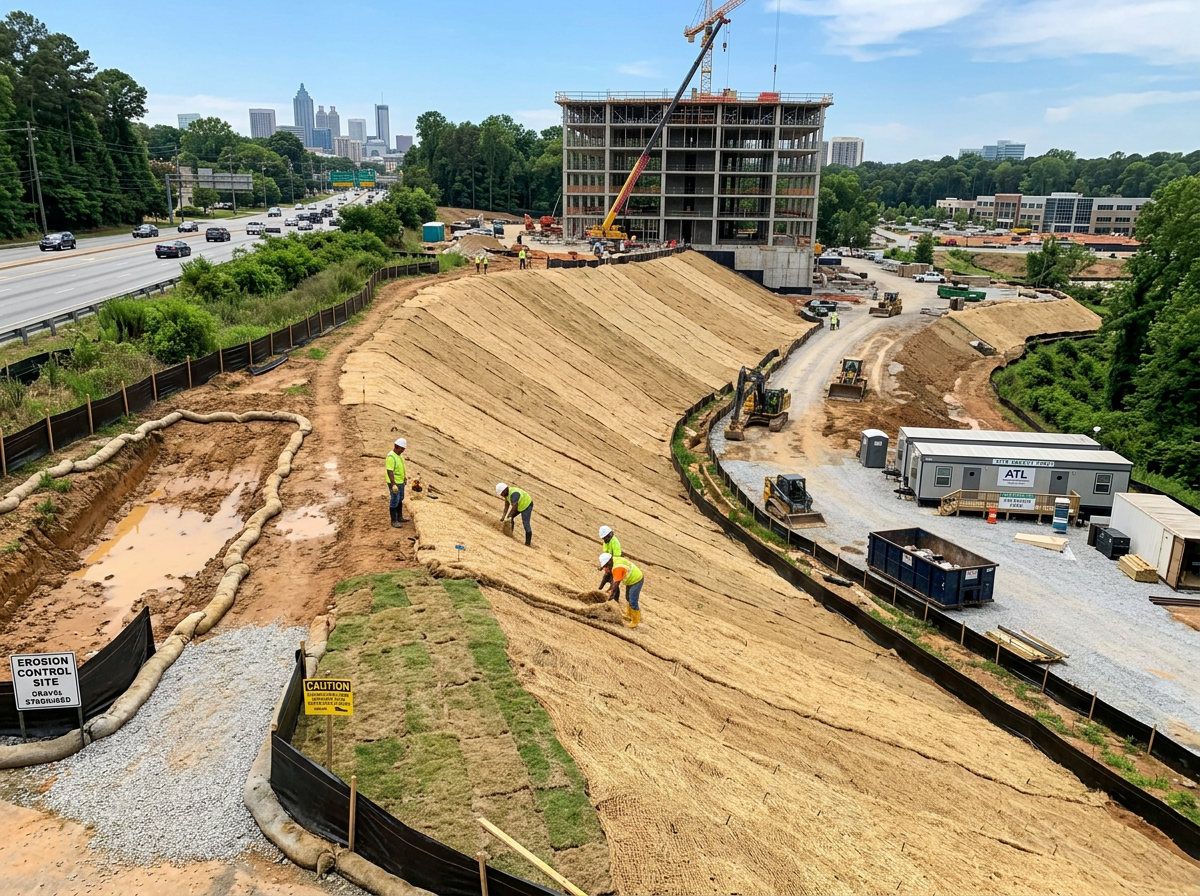
Active and finished jobsites carry real erosion risk once soil is exposed. Sediment runoff can slow inspections, upset neighbors, and create cleanup work nobody budgeted for. Our commercial erosion control work installs the measures that hold soil in place while the site finishes out.

We work around your project schedule, not the other way around, so restoration supports your closeout instead of stalling it.

Erosion control and straw blanket installation on an active commercial construction site
Specialty Service

Steep Ground Needs More Than Seed Alone

Slopes are where erosion does the most damage the fastest. Water moves downhill and takes loose soil with it, whether it's a residential backyard grade, a commercial retention pond bank, or a public right-of-way. Slope stabilization combines seeding with anchoring measures so the ground holds while grass roots take over the job.

Whatever grade you're dealing with — residential, commercial, or public — we treat the slope for what it actually is: the hardest spot on the property to keep covered.

Supporting Service

A Physical Layer of Protection While Seed Roots In

Straw blanket installation adds a surface layer over seeded or disturbed ground, giving it extra hold against wind, rain, and foot traffic while the seed underneath is doing its work. It's a supporting piece we bring in on slopes, large disturbed areas, and sites where the risk of washout is higher.

It's not a stand-alone fix — it works alongside seeding and soil prep to give the whole job a better shot at establishing clean the first time.

Supporting Service

Fixing the Soil Before We Ever Plant the Seed

Sometimes the ground itself is the problem — compacted clay, poor drainage, or dirt stripped of nutrients from construction work. Soil amendment prepares that seedbed so the seed we apply actually has a fighting chance, instead of sitting on top of dirt that can't support it.

We treat this as a foundation step, not an upsell. If your site needs it, we'll tell you plainly and explain why it makes the difference between grass that grows and grass that struggles.

For Contractors & Municipal Crews

The Last Piece of the Project, Handled Right

Post-construction site restoration is the closeout step that turns a finished dirt lot into recovered, protected ground. We come in after grading and building activity wraps up to seed, stabilize, and restore disturbed land so it holds up and meets expectations.

For general contractors, that means one less item holding up final sign-off. For municipal crews, it means disturbed public land gets covered and stable instead of becoming a recurring maintenance headache.

What restoration closeout covers

  • Final grading review before seeding
  • Hydroseed application across disturbed acreage
  • Erosion measures where grading left exposed slopes
  • Straw blanket where extra hold is needed
Our Customers

Three Different Jobs, One Reliable Crew

Homeowners, contractors, and municipal teams come to us with different problems, but the same expectation: show up, do the work right, and don't let the schedule slip.

Homeowners

Bare yards, new construction lots, and problem patches around Fulton, DeKalb, Cobb, and Gwinnett properties.

General Contractors

Erosion control and restoration that supports project closeout without slowing the broader schedule.

Municipal Crews

Practical revegetation and erosion support for disturbed public land and problem slopes.

The Outcome

What a Job Done Right Actually Gets You

Hydroseeding done well doesn't just get grass down — it changes the risk profile of your whole property or project.

More uniform coverage

Bare ground fills in evenly instead of growing in patches or bald spots.

Less washout risk

Fewer muddy runoff problems on slopes and freshly disturbed soil.

Faster site recovery

Construction and grading sites get back to stable ground sooner.

Local fit

A seed and process built around Georgia clay, not a generic national mix.

The Process

From First Call to Green Ground

1

You Reach Out

Tell us about your property or project and what condition it's in.

2

On-Site Estimate

We look at the actual ground before recommending a solution.

3

Same-Week Work

Our crew schedules and applies treatment fast once you approve.

4

Establishment

You water as directed while seed roots in under the guarantee.

What Sets Us Apart

We Don't Overpromise, and We Don't Disappear

A lot of frustration in this industry comes from contractors who quote a job, then push the schedule back, or crews that aren't properly licensed and insured. We built our reputation the opposite way: same-week scheduling when the job allows it, a straightforward 30-day germination guarantee, and crews who are licensed and insured on every job.

We've been a family-owned name in metro Atlanta since 2009, and that kind of track record only holds up if you actually deliver, job after job.

Same-week scheduling

Licensed & insured

30-day germination guarantee

Family-owned since 2009

Real Results

The Before-and-After Story Tells It Best

We keep before-and-after photos and customer feedback from real jobs across metro Atlanta because that's the proof that actually matters — not a promise, but ground that went from bare or unstable to covered and holding.

See What's Possible in the Gallery
Service Area

Focused on Metro Atlanta, Not Spread Thin

We serve Fulton, DeKalb, Cobb, and Gwinnett counties. Staying focused on this footprint means our crews know the soil, the neighborhoods, and the sites in this area — not a stretched service map with no local familiarity.

Fulton County
DeKalb County
Cobb County
Gwinnett County
2009

Family-owned since

4

Counties served

30

Day germination guarantee

6

Core services offered

Making It Workable

Financing Options Are Available

A lawn or erosion problem shouldn't have to wait because of how a project gets paid for. We offer financing options for customers who want to move forward now and handle payment over time.

We'll go over what's available for your specific job during your on-site estimate, so you have real numbers instead of guesswork before deciding how to move forward.

What Happens After

Getting the Seed to Take Is a Team Effort

Hydroseeding gets your ground covered fast, but watering in the weeks after application plays a real role in how well the seed establishes. We walk you through exactly what to do before we leave the site, so there's no guessing.

We cover full watering schedules and what a normal germination timeline looks like on the FAQ page, since this is one of the most common questions we get before and after a job.

Quick answers, full detail on FAQ

  • How often to water new seed
  • What a typical germination window looks like
  • How the 30-day guarantee applies
Get Clear Answers on the FAQ page
Ready When You Are

Let's Get Your Ground Looked At

Requesting an estimate doesn't commit you to anything beyond getting an honest look at your property or jobsite. We come out, look at the actual soil and conditions, and tell you straight what it'll take — hydroseeding, erosion control, stabilization, or a mix of a few.

Same-week scheduling means you're not waiting weeks just to get someone on-site to look.

Request My Free On-Site Estimate